High Protein Recipes › Breakfast

High Protein Breakfast Recipes

The reason most people want a high protein breakfast is narrow and practical: it stops the 10:30 a.m. hunger that a bowl of cereal or a slice of toast guarantees. Hitting 25 to 30g of protein at the first meal is what does that, and you can get there on whole food without a single scoop of powder.

Every recipe below is built on one or two high-protein bases and hits 24 to 28g per serving. Cottage cheese blended smooth into pancake batter. Greek yogurt and cottage cheese folded into the oat base overnight. A yogurt parfait layered in a jar. A smoothie bowl thick enough to eat with a spoon. Fruit, oats and nuts are in there for flavor and texture, but they are not carrying the protein and the recipes do not pretend they are.

Three of the four are completely make-ahead or no-cook, which is the other thing a real high protein breakfast has to be. The overnight oats and the parfait keep two to three days in a sealed jar and are eaten straight from the container, so they double as the on-the-go option. Nothing here needs more than 15 minutes of active work, and the pancake recipe is the only one that touches heat.

Below: the four recipes ranked by protein, the recipe cards, a section on using protein powder in breakfast without the chalky texture, and answers to the questions that come up most.

Calculate the nutrition of your own version → — paste your ingredients for calories, protein and net carbs per serving.

The 4 recipes, ranked by protein per serving

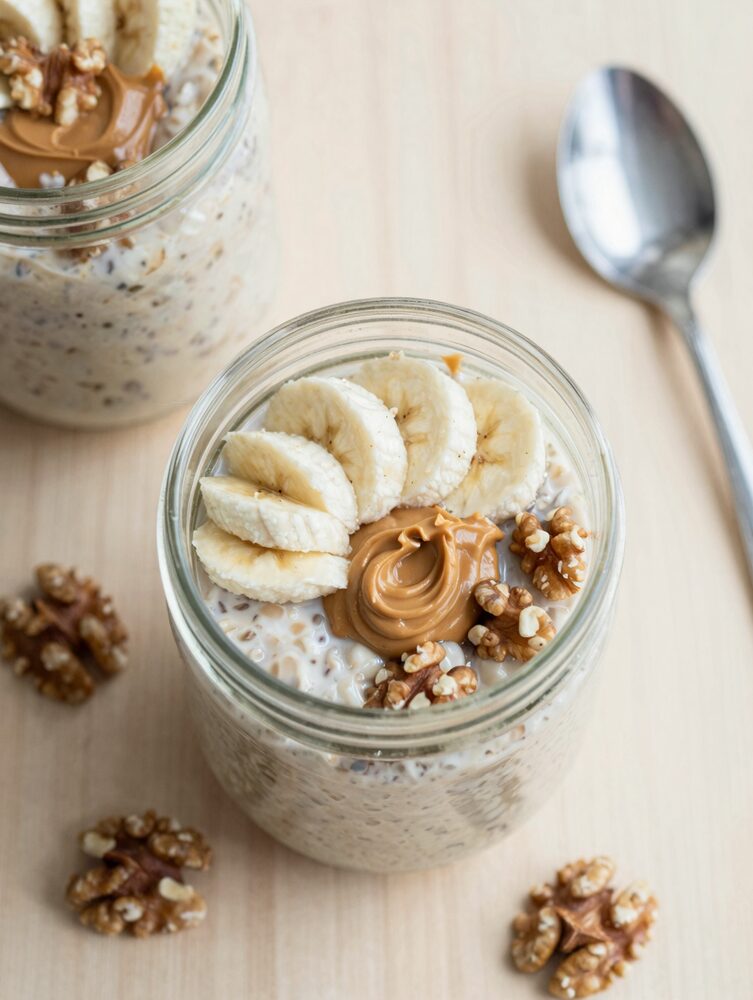
  1. Protein Overnight Oats28g protein, 5 min prep. Cottage cheese and Greek yogurt blended into the oat base, set overnight in a jar.
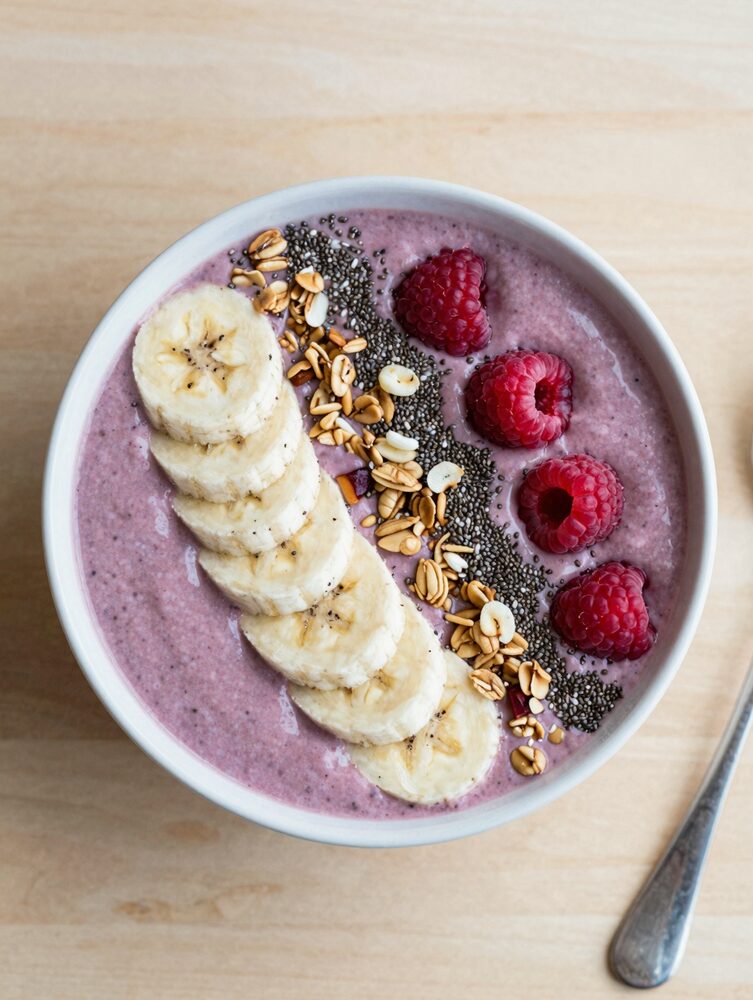
  2. High Protein Smoothie Bowl26g protein, 5 min. Thick, spoonable berry bowl, no cooking.
  3. Greek Yogurt Parfait26g protein, 5 min. Layered Greek yogurt, granola and berries, assembled fresh or in a jar.
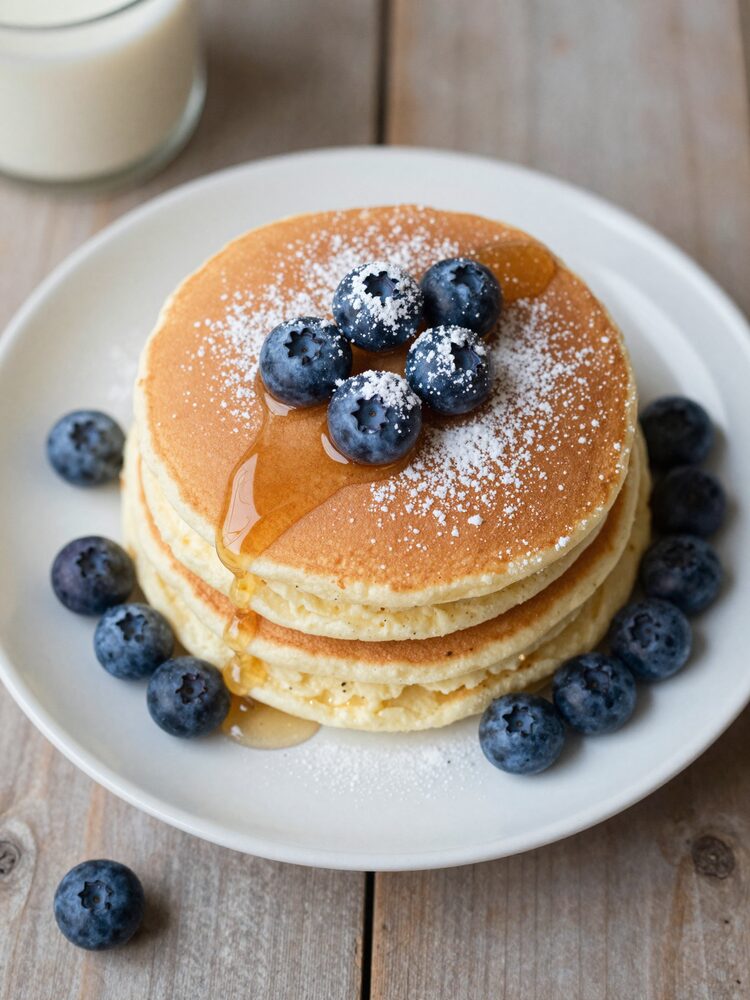
  4. Cottage Cheese Pancakes24g protein, 15 min. Batter blended smooth so there is no curdy texture, griddled to fluffy golden.

All breakfast recipes

Protein overnight oats in a mason jar topped with banana, peanut butter and walnuts

Protein Overnight Oats

28g protein · 5 min prep

Make-ahead jar with cottage cheese and Greek yogurt blended into the base — ready by morning.

High protein smoothie bowl topped with banana slices, granola and raspberries

High Protein Smoothie Bowl

26g protein · 5 min

Thick, spoonable berry smoothie bowl — no cooking, ready in 5 minutes.

Two glasses of layered Greek yogurt parfait with granola, honey and fresh berries

Greek Yogurt Parfait

26g protein · 5 min

Layered Greek yogurt, granola and berries — no cooking, assembled fresh.

Cottage cheese pancakes stacked with blueberries and honey

Cottage Cheese Pancakes

24g protein · 15 min

Blended smooth in the blender — no protein powder, no curdy texture, just fluffy golden pancakes.

Protein powder breakfast recipes: where a scoop works and where it doesn't

The recipes on this site hit their numbers from whole food because that is where the texture is reliable. But a scoop of protein powder is a legitimate shortcut in the right place, and the rule is simple: powder behaves in cold, wet mixtures and misbehaves in anything heated.

Works well: stir or blend a scoop into the smoothie bowl (add a splash more liquid), the overnight oats base before it sets, or a plain Greek yogurt bowl. In all three the powder dissolves into a mixture that is never cooked, so it stays smooth and adds 20–25g with no downside beyond flavor.

Works badly: pancakes, waffles, muffins, and baked oats. Whey and casein absorb liquid and tighten as they heat, so a scoop swapped into batter gives you a dense, rubbery, slightly chalky result. If you want more protein in the cottage cheese pancakes, add more cottage cheese or an extra egg white rather than powder.

The one exception in baking is replacing no more than about a quarter of the flour with powder and adding extra liquid to compensate — beyond that ratio the texture drops off fast.

High protein breakfast, answered

How do you make a high protein breakfast?

Anchor the plate to one high protein base and build around it. The strongest whole-food bases are cottage cheese, Greek yogurt, eggs and egg whites, and milk. Two combined — Greek yogurt blended into oats, cottage cheese blended into pancake batter — put a breakfast in the 25–30g range with no powder. Fruit, nuts and oats are the supporting cast.

Can you make high protein breakfast recipes with protein powder?

Yes, but placement matters. Powder blends cleanly into cold, wet mixtures: smoothie bowls, overnight oats, yogurt bowls. It turns chalky in anything baked or griddled because it absorbs liquid and tightens as it heats. Every recipe here reaches its number from whole food and notes whether a scoop can be added safely.

How much protein should a breakfast have?

A common target is 25–30g, roughly a quarter to a third of a daily total around 100–120g. That amount is what blunts mid-morning hunger, which is the practical reason to want a high protein breakfast. All four recipes here land in that band.

What is a good high protein breakfast on the go?

The make-ahead options travel best: overnight oats in a sealed jar and the Greek yogurt parfait in a jar keep two to three days and are eaten straight from the container. The smoothie bowl is better fresh but can be blended thicker and packed as a drinkable smoothie.

Can you get 25g of protein at breakfast without eggs?

Yes. Three of the four recipes here are egg-free and still reach 24–28g using cottage cheese, Greek yogurt and milk. The cottage cheese pancakes use a little egg for structure but get most of their protein from the blended cheese.